
-
Mar 25, 2026

Research Spotlight: The impact of a Safe Space when in crisis

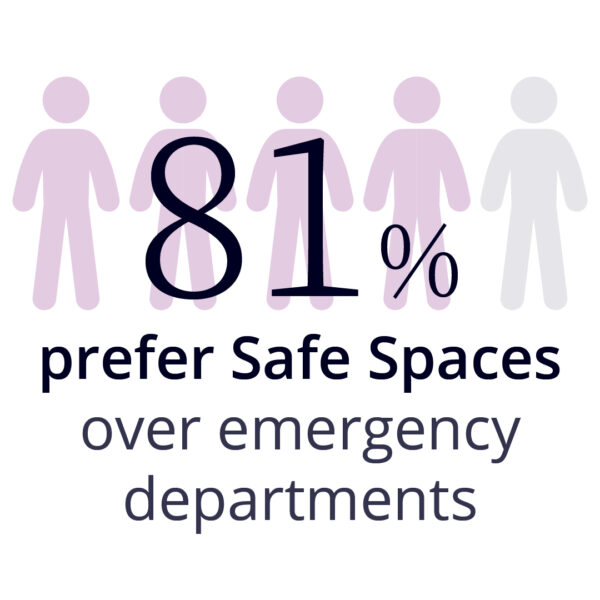
Stride's Safe Spaces are helping Australians in emotional distress, with 81% of guests saying they would choose them over emergency departments.

Hospital emergency departments are often the last place someone wants to be when in suicidal distress.

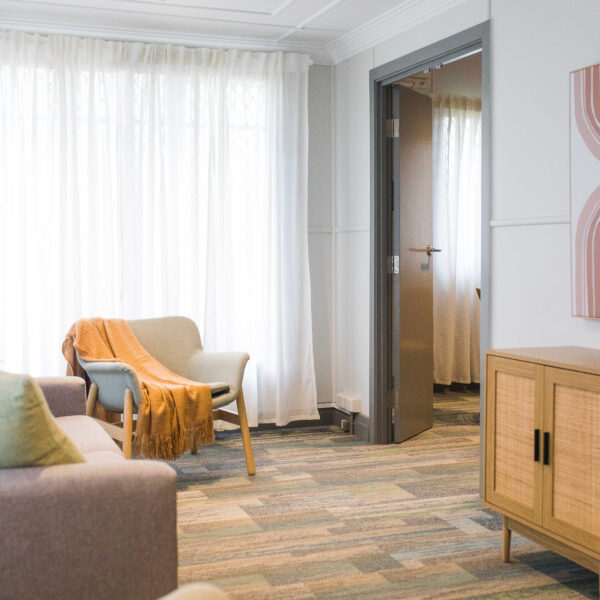
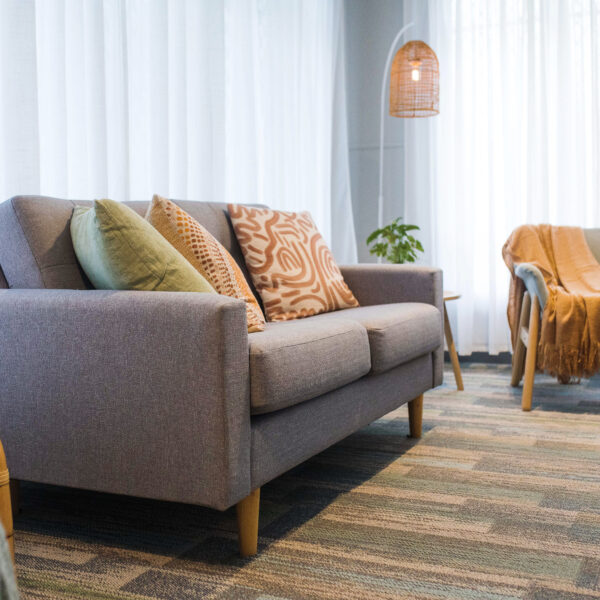
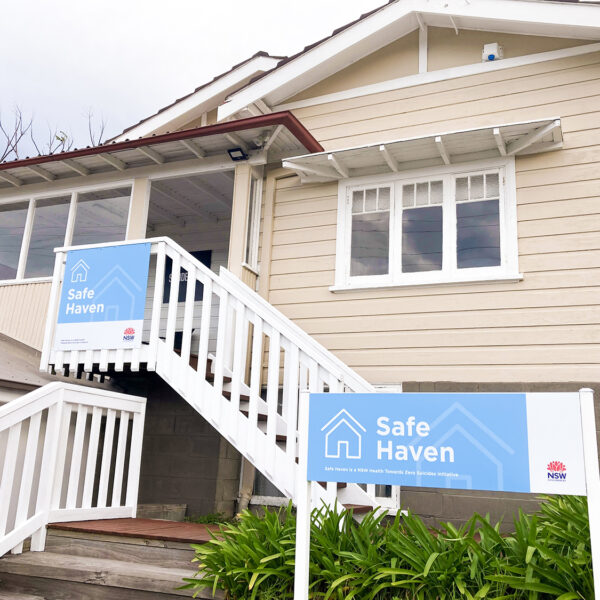
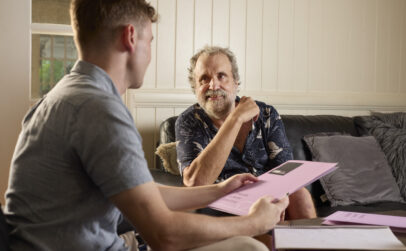
Stride’s Safe Spaces provide a welcoming, non-clinical environment where people experiencing emotional distress outside of office hours can connect with counsellors or peer workers. They offer a much-needed, compassionate alternative to emergency departments for anyone in distress. The impact of this model is clear: a 2024 evaluation found Brisbane North Safe Spaces prevented over 1,500 emergency department presentations, saving more than $16 million.

Over the past two years, Stride has partnered with researchers from the Centre for Mental Health Research at the Australian National University on the ‘Co-creating Safe Spaces’ project, with the key findings of the research below. This work evaluated our Safe Spaces in Belconnen, Blacktown and Wollongong, exploring guest satisfaction, perceived helpfulness and factors linked to reduced emotional distress.

But the real impact is often best captured in the words of those who walk through the door. Voices like the one below remind us why Safe Spaces matter. A safe place to talk, connect and be supported can make all the difference in someone’s darkest moments.
“Because of Safe Space, my siblings have their sister and my son has his mum.”
– Safe Space Caboolture guest


Key findings from the Australian National University evaluation
 

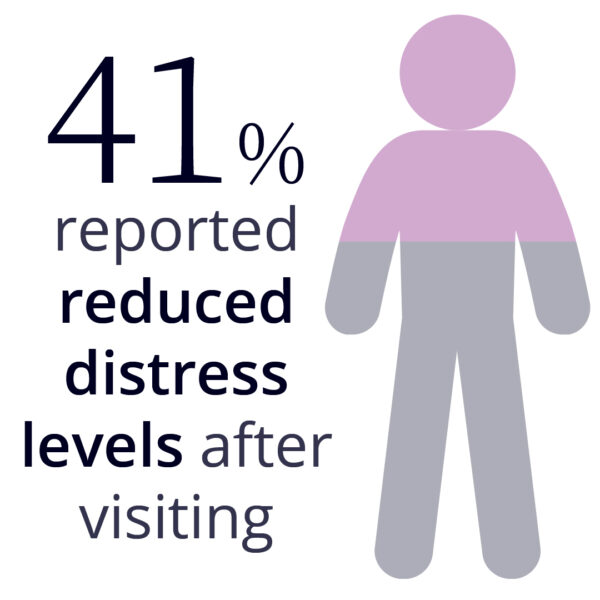
Guests most often visit Safe Spaces to address psychological distress, receive general support, or simply explore the service out of curiosity. On average, visits led to a 41% reduction in reported distress levels.

What helps reduce distress the most?

Guests experienced the biggest drop in distress during longer visits, informal “coffee and chat” sessions with peer workers, using sensory tools, and when they were connected with other services for additional support.

In a follow-up phone call conducted 72 hours after their visit: 

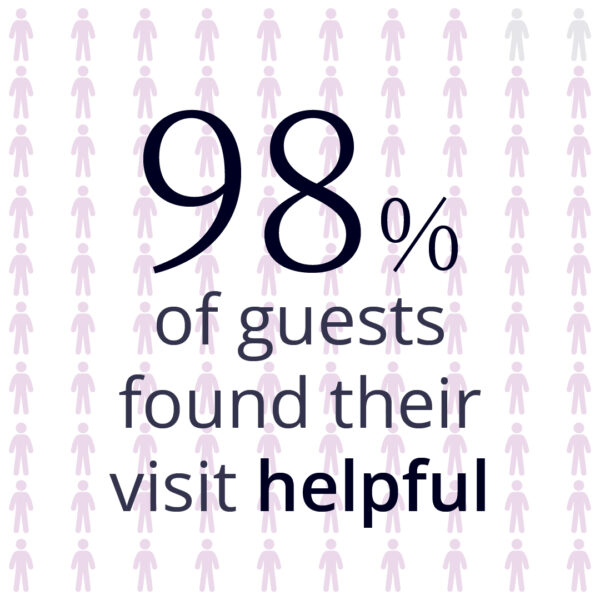
  • 98% of guests found their visit helpful 

  • 88% were satisfied with their experience 

  • 81% said they would prefer Safe Spaces over emergency departments for future experiences of distress 

What do these results tell us? 

When Australians experience a suicidal crisis, they’re often directed to emergency departments. However, many people feel these settings aren’t the right fit and can be under-resourced for mental health care.

Non-clinical “safe spaces” have emerged as a compassionate alternative. The findings from our study show that Safe Spaces can effectively reduce immediate distress and help connect people to the right support, at the right time.

Together, these insights point to a more responsive and person-centred approach to crisis care, one that meets people where they are and offers genuine connection when it matters most. With continued investment and awareness, Safe Spaces have the potential to transform how we support Australians in their most vulnerable moments.

You can read the full peer-reviewed publication here.