-

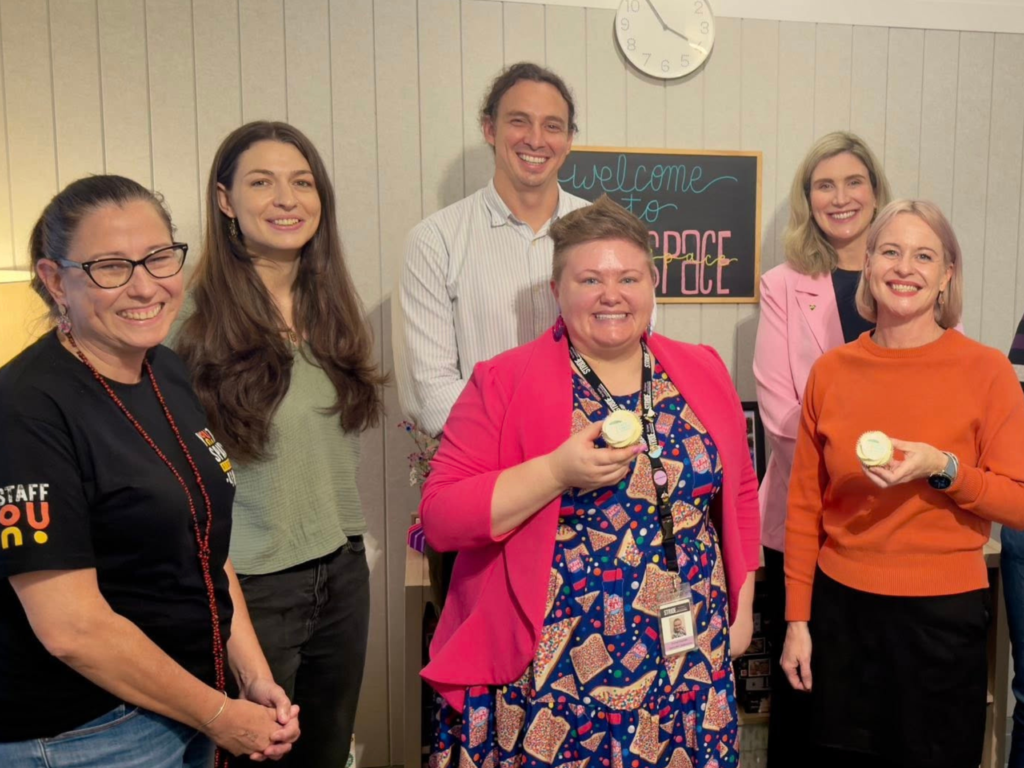
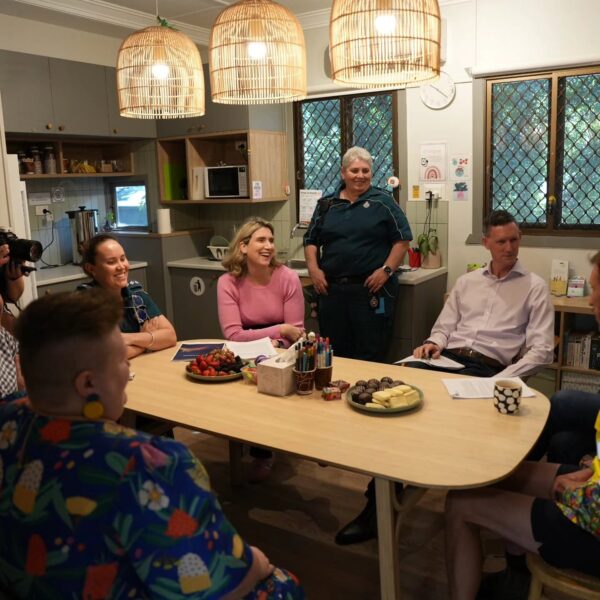
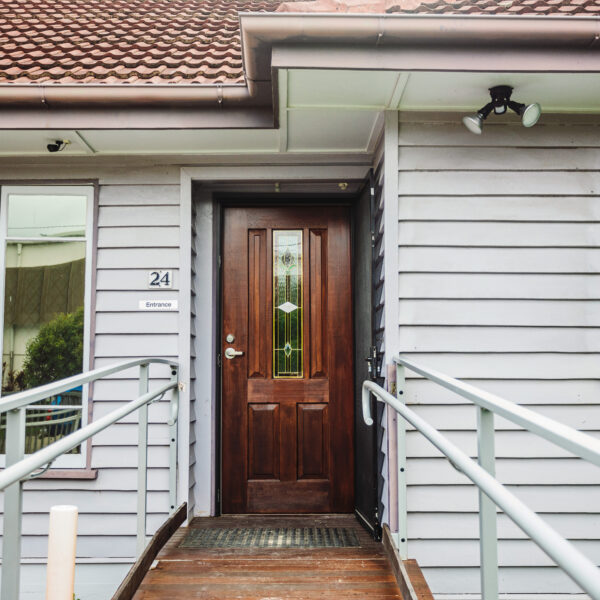
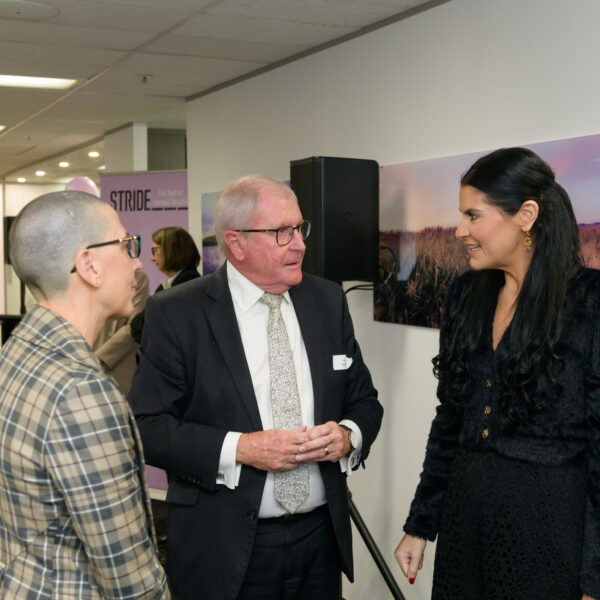
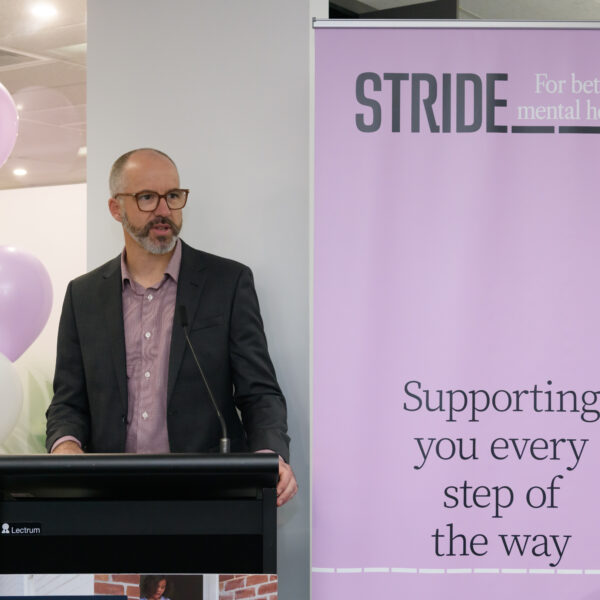
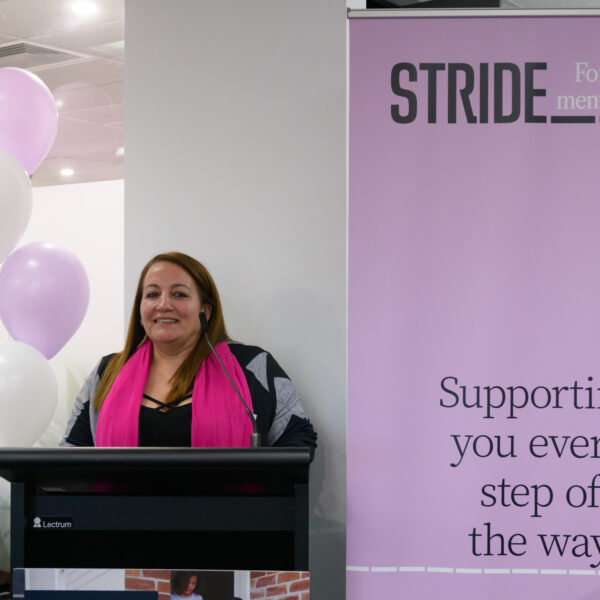
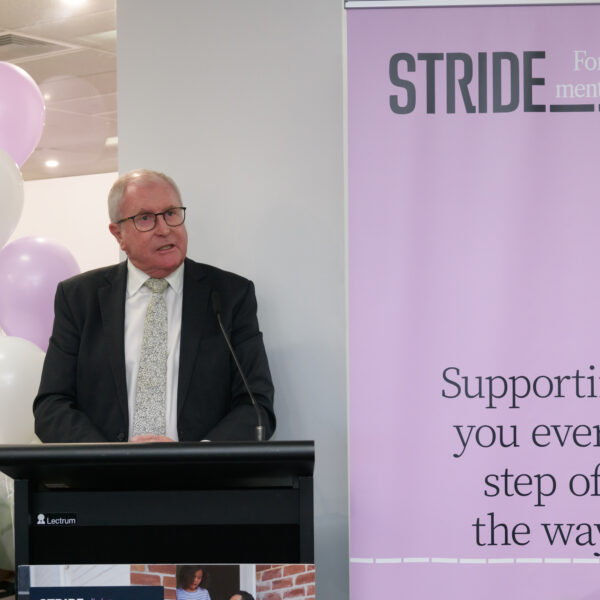
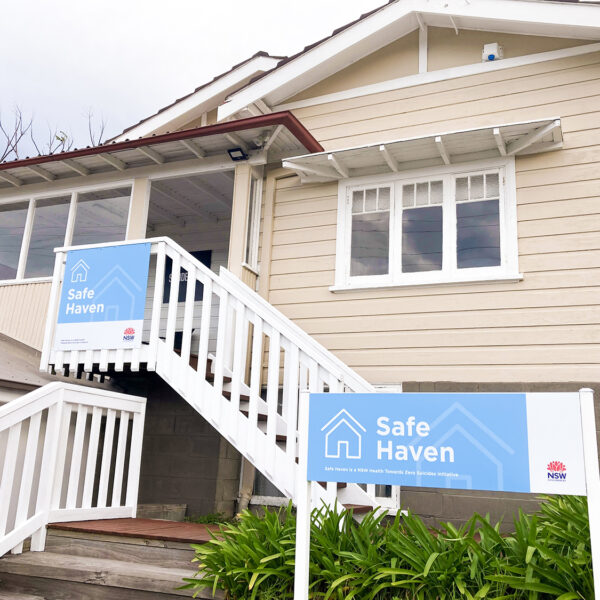
A celebration at Stride’s Caboolture Safe Space earlier this year marked an important milestone, with renewed Government funding securing the future of Safe Spaces across Caboolture, Redcliffe, Strathpine and Bardon. The announcement followed significant advocacy and collaboration to demonstrate the vital role these services play in supporting local communities.

The event brought together Stride team members, community partners, supporters and special guests including Corinne Mulholland, Mark Ryan MP, colleagues from Neami National and Redcliffe Area Youth Space Incorporated, alongside members of the local community.

A highlight of the afternoon was hearing from courageous Safe Space guests who shared their experiences and reflected on the difference these services have made in their lives. Their stories are a powerful reminder of why accessible, after-hours mental health support matters.

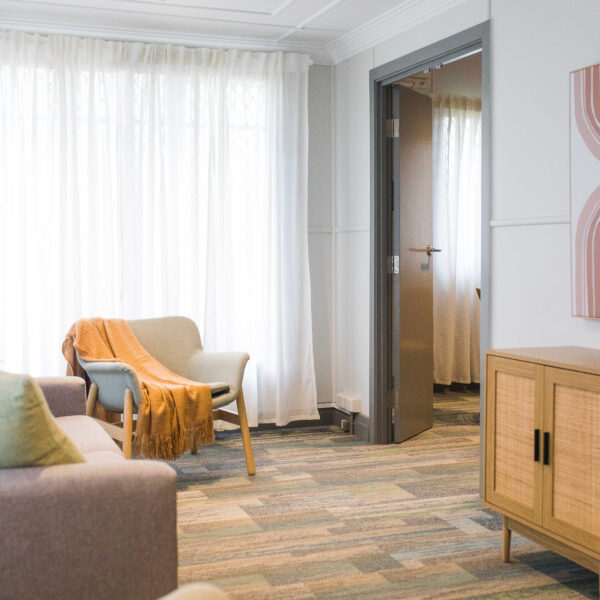
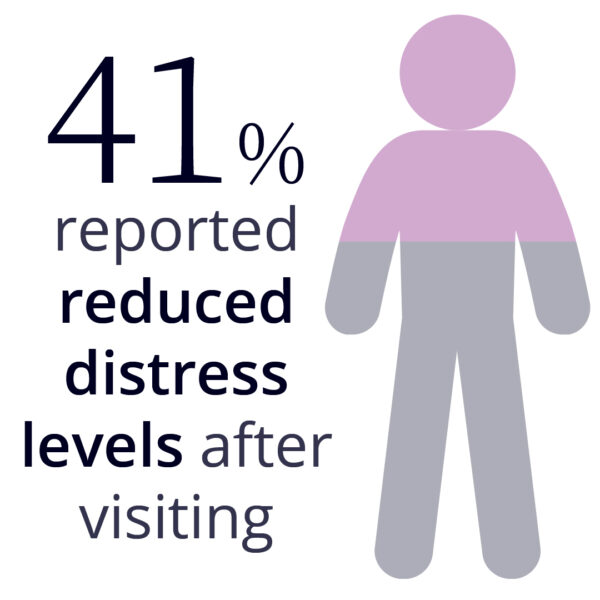
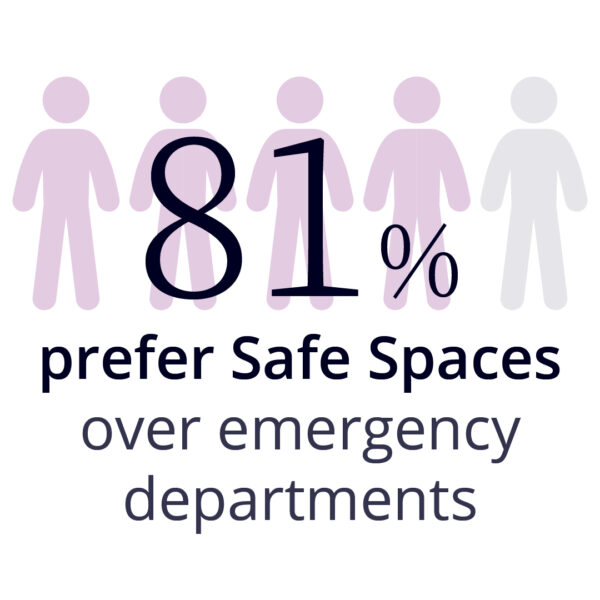
Safe Spaces provide a welcoming, non-clinical environment where people can connect with trained mental health workers and peer workers. Research into Stride’s Safe Spaces has shown their impact, with guests reporting a 41% reduction in distress after attending, and 81% saying they would prefer a Safe Space over an emergency department during future experiences of crisis.

The renewed funding will help ensure these important community-based supports remain available for people when they need them most.

I don’t know where I’d be without this place.
– Safe Space Caboolture guest, bravely sharing their appreciation of the compassionate and timely support they have received over the years

Meeting growing demand for youth mental health support

A significant milestone for Stride Mental Health’s national network of youth mental health services, headspace Geelong has been selected among the first headspace centres nationally to transition to the enhanced headspace Plus model.

As the operator of 12 headspace centres and satellite services across Australia, Stride is proud to be part of this exciting next chapter in youth mental health care. The uplift to a headspace Plus centre in Geelong will expand access to more integrated and tailored support for young people in Southwest Melbourne region aged 12 to 25.

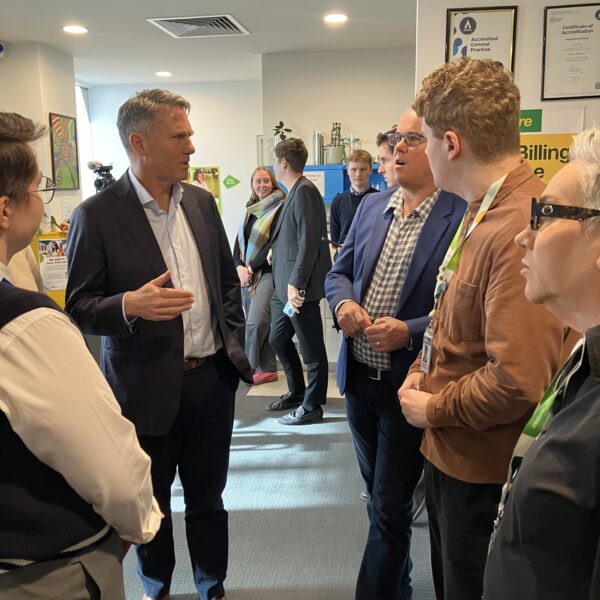
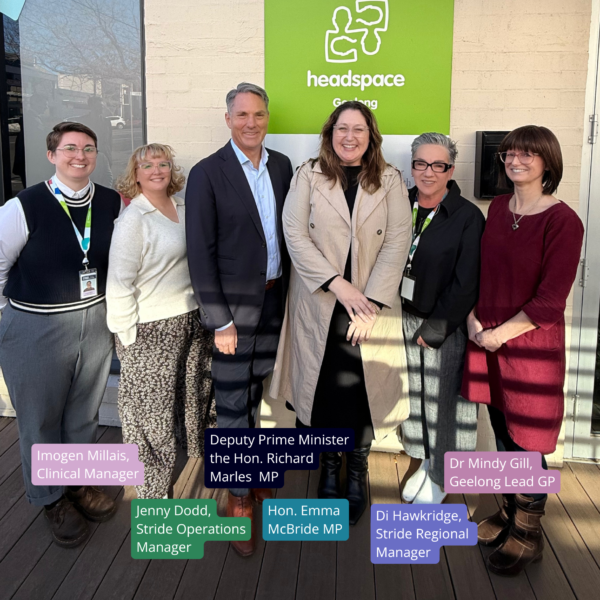
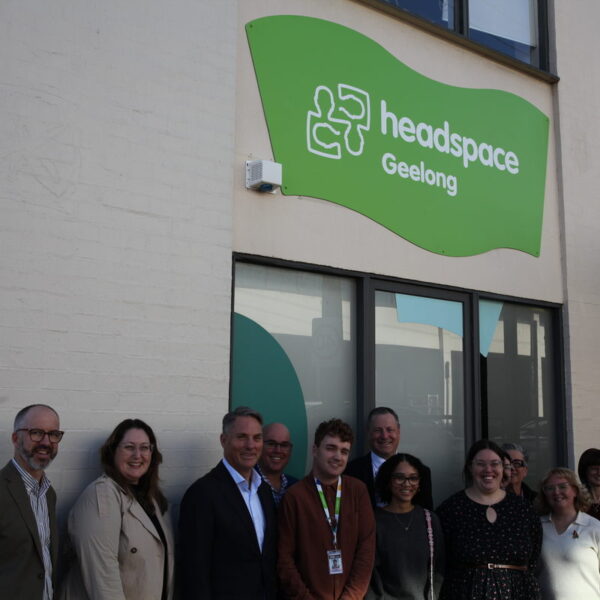
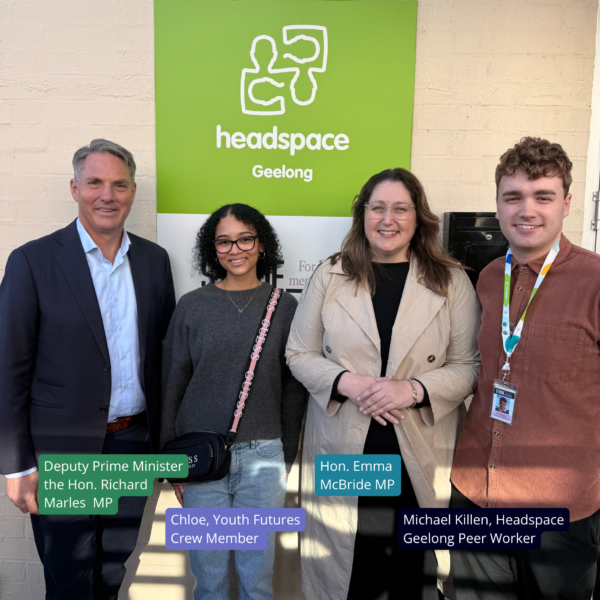
On 5 June 2026, we were honoured to welcome Deputy Prime Minister Richard Marles MP and Assistant Minister for Mental Health and Suicide Prevention Emma McBride MP to headspace Geelong to announce this significant investment in the future of youth mental health services.

The announcement recognised the important role that accessible, early-intervention support plays in helping young people thrive. It also provided an opportunity to showcase the incredible work of our headspace Geelong team and discuss how expanded services will help meet growing demand across the region.

Building on what works

Each headspace Plus centre is designed around the needs of young people, providing a welcoming space where they can access support for their mental health, physical health, relationships, work, study and general health and wellbeing.

Building on the trusted headspace approach, the enhanced model provides greater flexibility to respond to the changing needs of young people.

headspace CEO Jason Trethowan welcomed the opportunity to continue shaping the model through consultation with young people, communities and the mental health sector.

The headspace Plus Model of Care builds on what works, giving us greater flexibility to meet the diverse and evolving needs of young people.
– headspace CEO Jason Trethowan.

The public draft of the headspace Plus Model of Care is available here.

By expanding access to integrated care, headspace Plus will help more young people and families feel supported through every stage of their journey. Stride is proud to be part of this important next chapter in youth mental health care.

Celebrating NAIDOC Week through art, culture and connection.

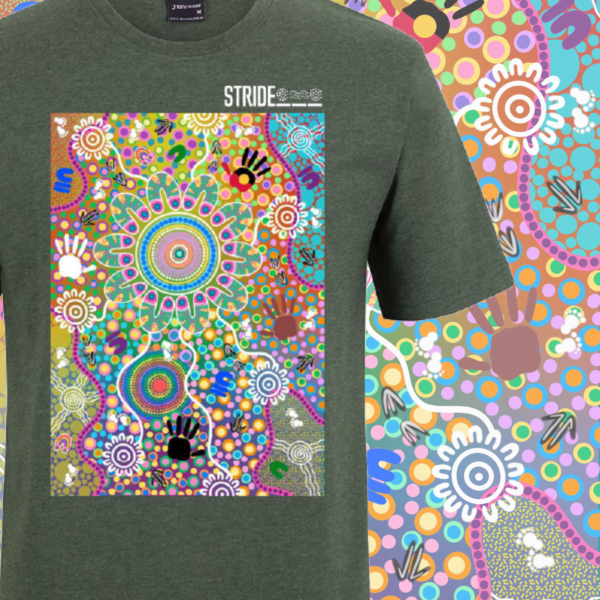
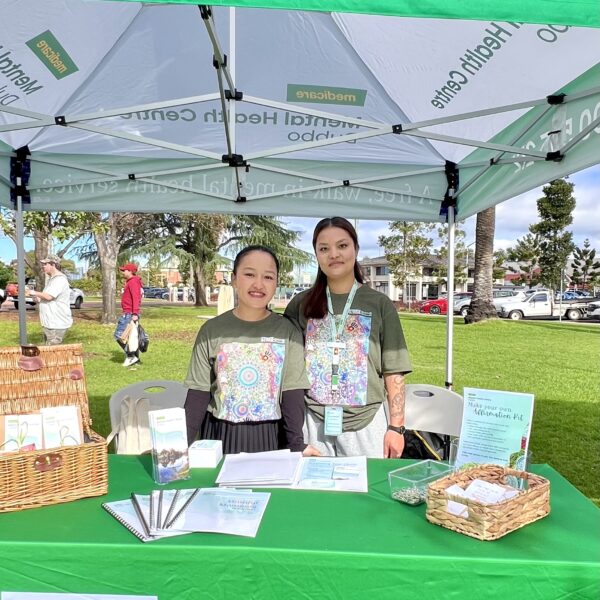
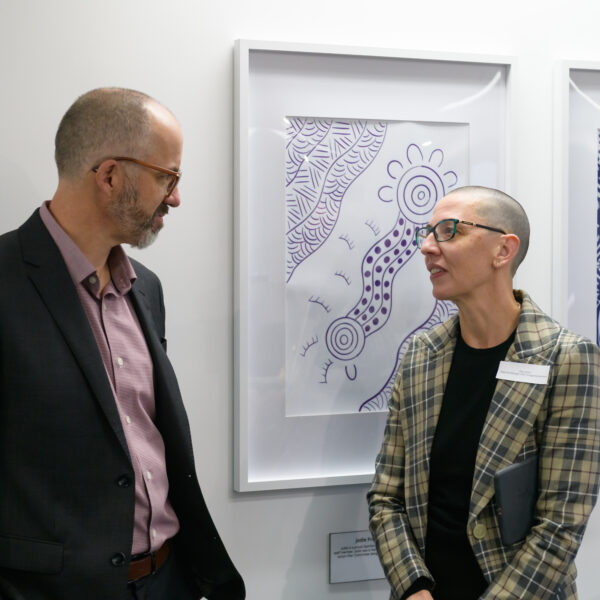
Each year, Stride proudly marks NAIDOC Week by commissioning a unique artwork competition from a First Nations artist, which is featured on a commemorative shirt worn by our teams across Australia.

More than a uniform, the shirt is a visual expression of our commitment to recognising and celebrating the cultures, histories and achievements of Aboriginal and Torres Strait Islander peoples. It provides an opportunity for our teams to stand together in support of this year’s NAIDOC Week celebrations while proudly wearing a meaningful piece of contemporary Aboriginal art.

Meet the Artist

This year’s artwork was created by LaToya Kennedy, owner and artist behind Kalari Art, a 100% Aboriginal-owned and operated small business. LaToya is a proud Ngunnawal and Wiradjuri woman whose connections extend across Wiradjuri, Ngunnawal and Dharawal Countries.

Born on Wiradjuri Country in Cowra, raised on Ngunnawal Country in Canberra and now living on Dharawal Country in Wollongong, LaToya’s work is deeply inspired by her connection to Country, community and culture. Through symbolic representation, she tells stories that honour the landscapes around her in the region she calls home, the traditions passed down through generations, and the enduring legacy of her ancestors.

Her artwork reflects the strong relationships Aboriginal and Torres Strait Islander peoples have with Country and celebrates the continuation of culture through storytelling, connection and shared responsibility.

Copyright © 2026 – Kalari Art

Reflecting the 2026 NAIDOC Week theme

Inspired by this year’s NAIDOC Week theme, “50 years of Deadly” the artwork tells a powerful story of continuity: an unbroken connection between Elders, community and Country.

At the centre of the design is a large meeting place representing the next generation. From this central gathering place, pathways connect to smaller meeting places symbolising Elders from many walks of life. Together, they reflect the sharing of knowledge, cultural pride and the collective responsibility of nurturing future generations.

Throughout the artwork, traditional Aboriginal symbols add further meaning. People symbols represent parents and carers, children, and the LGBTQIA+ community, recognising the diversity and strength of our communities. Handprints, footprints, animal tracks and waterholes symbolise people, culture and Country, while representing the ongoing journey of keeping song, dance and cultural traditions alive through an enduring connection to ancestors and the Dreaming.

Together, these elements celebrate the deep and continuing relationships Aboriginal and Torres Strait Islander peoples have with Country, while honouring the legacy of those who came before and the generations who will continue to shape the future.

Wearing our commitment

At Stride, we recognise that NAIDOC Week is an opportunity to listen, learn and celebrate the oldest continuing culture in the world. Wearing this year’s shirt is one small but meaningful way our people acknowledge the importance of Aboriginal and Torres Strait Islander cultures and show their support for this year’s celebrations.

We thank LaToya for sharing her story, culture and creativity through this beautiful artwork, and for helping us celebrate the strength, vision and legacy of Aboriginal and Torres Strait Islander peoples across Australia.

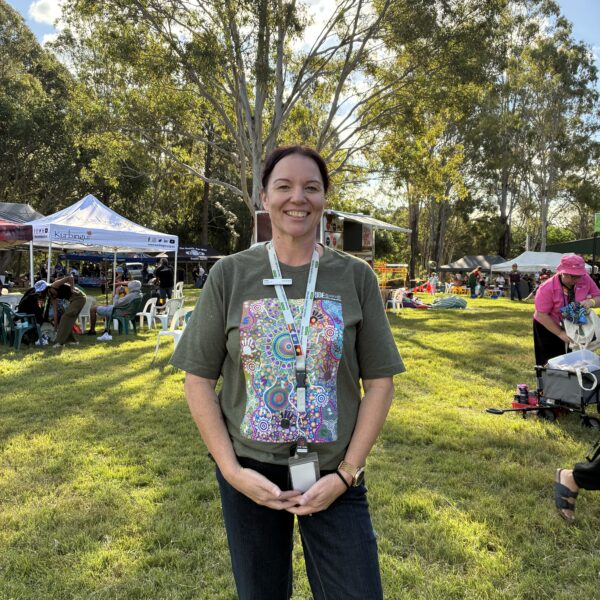
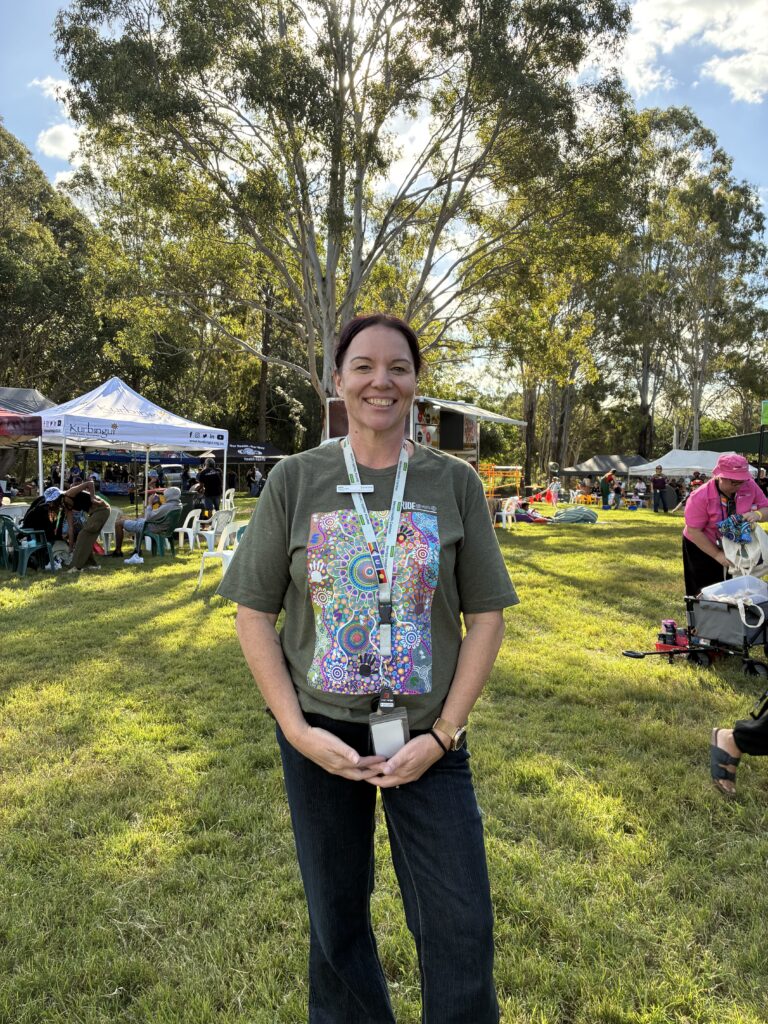
Louisa, from our Medicare Mental Health Centre in Caboolture proudly wearing her shirt at the Koobara NAIDOC Week Family Fun Day.

Setting a strong foundation for the future.

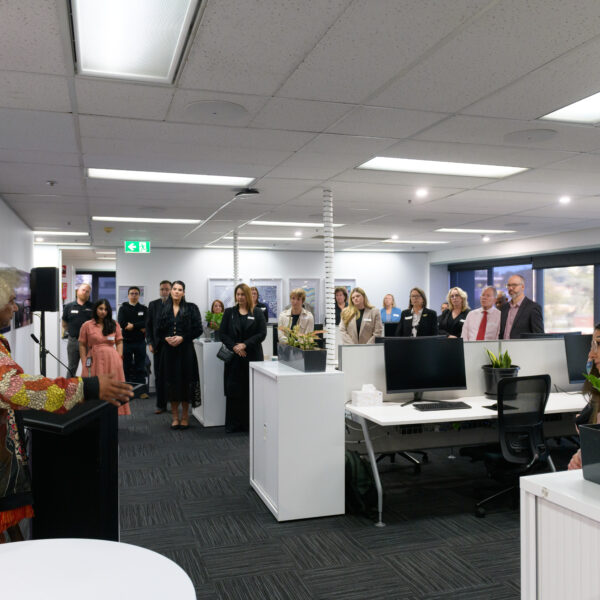
After 17 years at the historic Rozelle Hospital site in Lilyfield, our Head Office has moved west to better reflect where our services and communities are located.

Placing us closer to Stride services including the Parramatta Medicare Mental Health Centre, The Way Back Penrith and our Seven Hills Residential Service, and reflects plans for future growth.

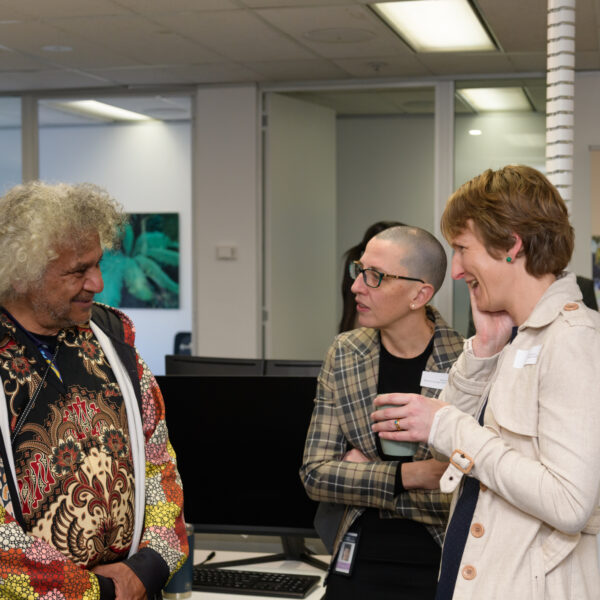
The office opening was celebrated by staff and guests at a morning tea last Wednesday the 24th of June, bringing together staff, Board members, partners and guests to recognise both our history and our future.

Honouring Country, celebrating community.

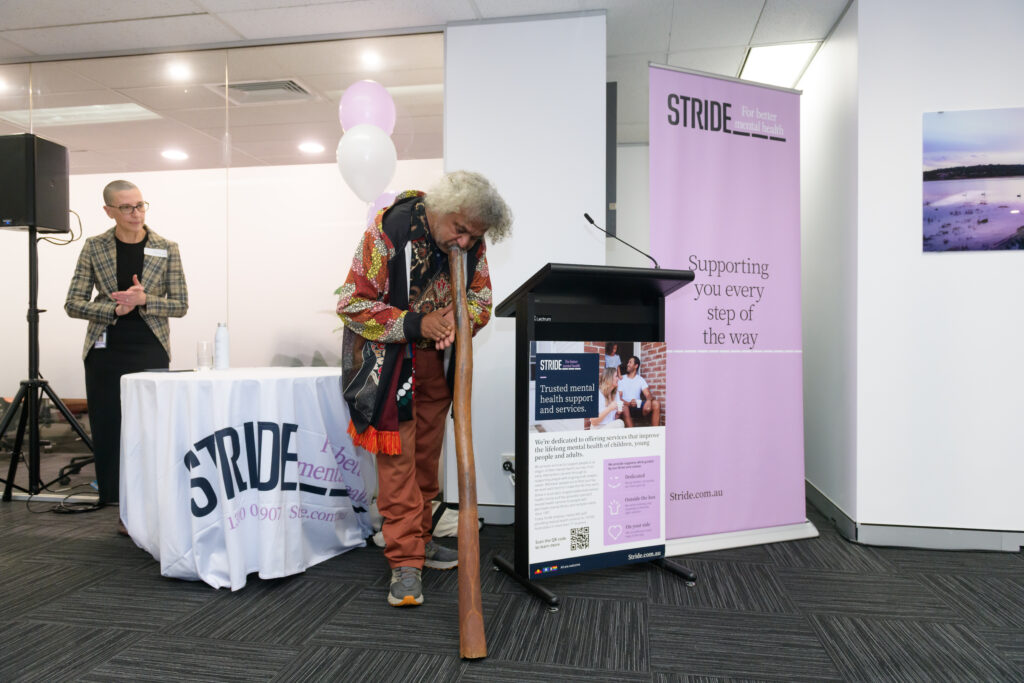
The event began with a Welcome to Country from Uncle Graham, who acknowledged the Traditional Custodians of the Dharug Nation, the land on which we were gathered. Uncle Graham Davis King is a Wiradjuri and Ngiyampaa artist and activist.

This was followed by reflections from long-serving staff member Joanne Barbara, who has been with Stride for an incredible 31 years. Stride Board Chair Peter Emery and CEO Luke Lindsay also shared their thoughts on the significance of the move before Councillor Tanya Raffoul officially welcomed Stride to Parramatta on behalf of the Lord Mayor.

Pictured: Uncle Graham Davis King, a proud Wiradjuri and Ngiyampaa man, artist and activist playing the Didgeridoo.

Supporting mental health, closer to home.

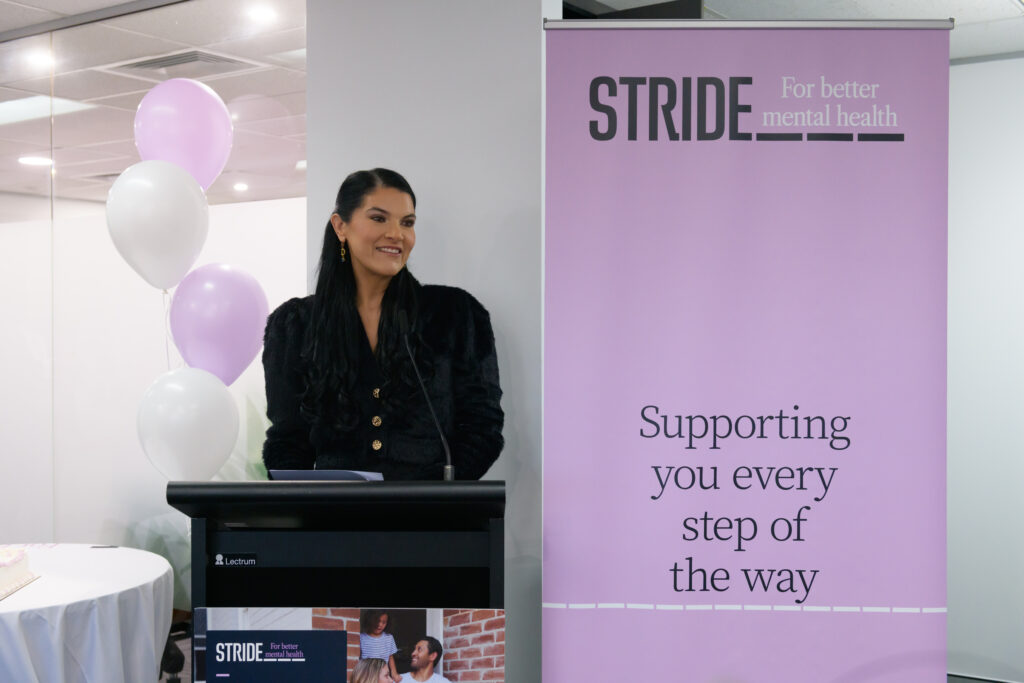
In her address, Councillor Raffoul reflected on Stride’s impact across New South Wales and the importance of accessible mental health services, particularly for people who may not know how, or where, to seek support. She thanked our teams for the difference they make every day and recognised the opportunities our new Parramatta home will create for the future.

Pictured: Councillor (Cr) Tanya Raffoul, for the City of Parramatta, reflecting on the importance of accessible mental health services.

119 years of supporting communities

The morning was also an opportunity to reflect on Stride’s remarkable journey.

Since being founded in 1907 by Emily Paterson, Stride has continually evolved to meet the changing needs of the communities we serve. Stride has moved from supporting people post-hospital admission to delivering a diverse range of mental health services that empower people, families and carers to access the right support at the right time.

Visitors to the new office can explore this history through a colourful timeline and commemorative plaque honouring Emily Paterson’s legacy, a reminder that while our location has changed, our purpose remains the same: supporting people to build the lives they want through accessible, person-centred mental health care.

To learn more about Stride’s services, explore our Service Directory here.

Hospital emergency departments are often the last place someone wants to be when in suicidal distress.

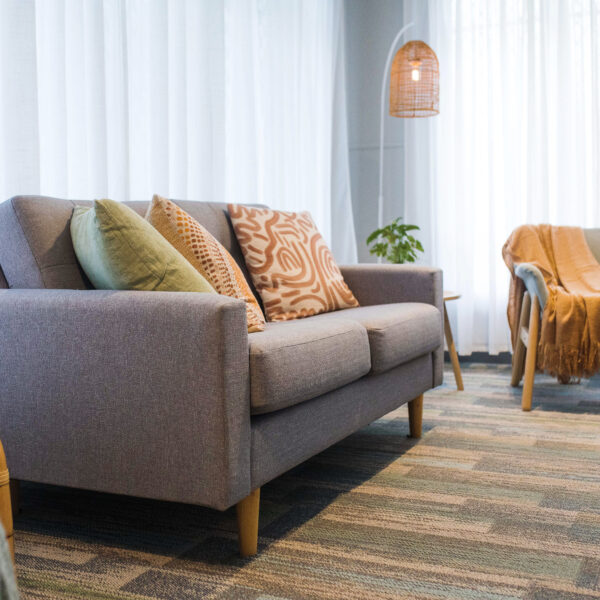
Stride’s Safe Spaces provide a welcoming, non-clinical environment where people experiencing emotional distress outside of office hours can connect with counsellors or peer workers. They offer a much-needed, compassionate alternative to emergency departments for anyone in distress. The impact of this model is clear: a 2024 evaluation found Brisbane North Safe Spaces prevented over 1,500 emergency department presentations, saving more than $16 million.

Over the past two years, Stride has partnered with researchers from the Centre for Mental Health Research at the Australian National University on the ‘Co-creating Safe Spaces’ project, with the key findings of the research below. This work evaluated our Safe Spaces in Belconnen, Blacktown and Wollongong, exploring guest satisfaction, perceived helpfulness and factors linked to reduced emotional distress.

But the real impact is often best captured in the words of those who walk through the door. Voices like the one below remind us why Safe Spaces matter. A safe place to talk, connect and be supported can make all the difference in someone’s darkest moments.

“Because of Safe Space, my siblings have their sister and my son has his mum.”
– Safe Space Caboolture guest


Key findings from the Australian National University evaluation
 

Guests most often visit Safe Spaces to address psychological distress, receive general support, or simply explore the service out of curiosity. On average, visits led to a 41% reduction in reported distress levels.

What helps reduce distress the most?

Guests experienced the biggest drop in distress during longer visits, informal “coffee and chat” sessions with peer workers, using sensory tools, and when they were connected with other services for additional support.

In a follow-up phone call conducted 72 hours after their visit: 

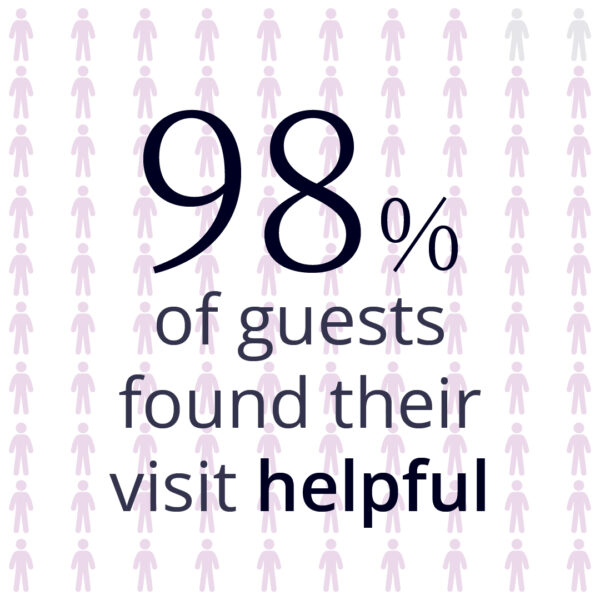
  • 98% of guests found their visit helpful 

  • 88% were satisfied with their experience 

  • 81% said they would prefer Safe Spaces over emergency departments for future experiences of distress 

What do these results tell us? 

When Australians experience a suicidal crisis, they’re often directed to emergency departments. However, many people feel these settings aren’t the right fit and can be under-resourced for mental health care.

Non-clinical “safe spaces” have emerged as a compassionate alternative. The findings from our study show that Safe Spaces can effectively reduce immediate distress and help connect people to the right support, at the right time.

Together, these insights point to a more responsive and person-centred approach to crisis care, one that meets people where they are and offers genuine connection when it matters most. With continued investment and awareness, Safe Spaces have the potential to transform how we support Australians in their most vulnerable moments.

You can read the full peer-reviewed publication here.

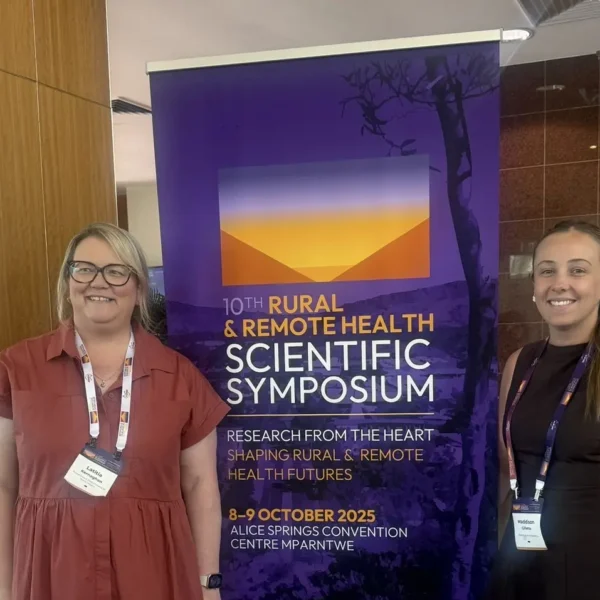
Student placements play an important role in preparing the next generation of health professionals. They give students the opportunity to apply what they learn at university in real-world settings and develop the practical skills needed to work with people across the healthcare system. In rural communities, mental health placements provide valuable learning experiences – however, opportunities like these are often limited.

In 2023–2024, researchers from the Three Rivers Department of Rural Health at Charles Sturt University partnered with staff from Stride’s LikeMind team in Orange and Wagga Wagga to explore the impact of a rural community mental health placement. The study examined how both students and health professionals experienced the placement, and how it supported student learning.

Researchers spoke with 12 students and five staff members from five mental health organisations, including Stride, through one-on-one interviews.

From these interviews, four key themes emerged.

  1. Entering the growth zone: Both students and staff initially felt uncertain about the unfamiliar setting. However, with a clear purpose and a supportive environment, they were able to learn together in meaningful ways.

  2. Positive shifts in learning: Both students and staff experienced positive changes in their confidence, attitudes and understanding throughout the placement. Staff reported reflecting more deeply on their own practice, while students identified gaps in their knowledge and developed stronger skills and confidence in supporting people experiencing mental health concerns.

  3. Direct contact creates authenticity and impact: Spending time with people using mental health services helped students better understand the realities of mental health experiences in rural communities. By listening and observing in a safe and supportive environment, students were able to challenge their assumptions and develop greater compassion.

  4. Professional investment and returns: Staff saw supervising students as an important way to support the future mental health workforce. Rural placements benefited everyone involved. Students built skills and confidence, while staff had the opportunity to reflect on their work and reconnect with why they chose this profession.

Overall, the findings show that well-planned mental health placements in rural settings can make a real difference. Placements that offer strong support, clear guidance and meaningful contact with people using rural community mental health services help students build confidence, strengthen their skills and feel better prepared for their future careers.

You read the abstract of the conference presentation here, titled ‘Disruption and transformation: Experiences of a rural community-based mental health placement.’ 


The Australian Psychosocial Alliance (APA) welcomes the attention of the Grattan Institute to designing an effective system of supports for people with psychosocial disability, particularly for the 130,000 people with psychosocial disability who are not on the NDIS. Released this week, the Grattan Institute’s report, ‘Bridging the Gap: Meeting the needs of Australians with Psychosocial Disability’ highlights some of the fundamental problems with the implementation of the NDIS for people with psychosocial disability, along with the failures of the broader service system to effectively support people with psychosocial disability.

For those not eligible for the NDIS, there are not enough alternative supports available. Those programs which are funded are often overstretched by existing demand and need to be able to provide longer term supports. We agree with the Grattan Institute that there are opportunities to provide more value to government and reduce ‘low value care’, but reform needs to be handled with care. Any proposal to transition supports for some people with psychosocial support needs from the NDIS into other service streams should be regarded with caution.

Reforms to the overall approach to psychosocial disability, within and outside of the NDIS, must recognise the complexity and significance of the support needs required. We know that 92% of NDIS participants with a psychosocial disability have medium to high service and support needs; 31% in the highest need group. The APA’s recent report, Access Denied: Psychosocial Disability and the NDIS, also shows that many people with psychosocial disability who should be accessing the NDIS, are not able to do so.

Further work is required to recognise the range of supports needed by people with psychosocial disability, and to properly identify the cohort of people who need and have a right to access the NDIS. Failure to do this has serious consequences, including greater reliance on hospitalisation and emergency departments, insecure housing and homelessness, and compromised mental health support.

The Australian Psychosocial Alliance stands ready to work with federal and state and territory governments on a potential path forward, which must centre our partners in the lived experience peak bodies and community, to better meet the needs of those with psychosocial disability, both within the NDIS and outside of it.

APA spokesperson, Mark Orr AM said the needs of people with psychosocial disability must be properly understood and responded to. “We believe there is further work needed on better identifying those with high needs who need and have a right to NDIS supports. Any transition in support for this group must be designed with them, and managed carefully.”

We want to make sure that any proposal also ensures that people get the support they need, now, during any system transition, and beyond.


“We are committed to ensuring that people with lived experience lead these conversations that support their mental health recovery.”
– APA spokesperson, Mark Orr AM

For more information or to arrange an interview with an APA spokesperson, please contact Kate Paterson, Policy and Engagement Advisor, 0406 033 540.

About the Australian Psychosocial Alliance

The Australian Psychosocial Alliance (APA) brings together seven of the largest and longest serving specialist providers of community-managed mental health and wellbeing services in Australia. APA member organisations operate in rural, regional and metropolitan areas across all Australian States and Territories, and together support over 110,000 Australians with mental health challenges each year. The members are Mind Australia (incorporating One Door Mental Health and the Haven Foundation), Flourish Australia, Neami National, Ruah Community Services, Stride Mental Health, Open Minds and Wellways Australia.

Why disconnecting is crucial for mental mealth

Australia recently introduced a new law – ‘the right to disconnect‘- which represents a significant leap in promoting a healthy work-life balance to protect employees’ mental health.

In the last few years, post-COVID, we’ve seen a major shift with workplaces increasingly moving to an online model. Following this, after-hours emails, internal messages and work calls have blurred the boundaries between work time, and personal time. The increased connectivity to the online world has taken a toll on the mental health of Australian workers. According to the Safe Work Australia Report, ‘Psychological health and safety in the workplace’, work-related mental health issues have risen in recent years, with a 36.9% increase since 2018. Addressing these statistics is imperative for the health of Australians. But what is the right to disconnect, and what does it entail?

What is the right to disconnect?

The right to disconnect is a new Australian law that ensures employees are not expected to engage in work-related communications outside their agreed work hours.

This can include emails, texts or messages, or phone calls outside of office hours. Employers are also encouraged to establish clear policies and regulations that respect these boundaries.

By introducing this law, the government hopes to improve the mental health of the workforce, reduce burnout, and enhance productivity.

Woman on her phone typing next to her laptop

Who does the right to disconnect affect?

The Right To Disconnect law applies to all Australian workers but particularly affects office workers and remote employees based on their contracts and flexible working policies.

The core of this new law is that all employees deserve the right to be undisturbed during their personal time. The right to disconnect underscores the importance of clear boundaries for maintaining work-life balance. When respected, these boundaries promote better mental health, improved focus, and greater job satisfaction.

The impact of constant connectivity on mental health

According to research, the effects of burnout are detrimental to employees’ wellbeing. According to a study from The Black Dog Institute, the most common reason for work-related mental health concerns in Australia is work pressure.

Disconnecting from the workplace not only prevents harm but also offers tangible benefits.

Studies show improved sleep, reduced anxiety, and increased productivity when employees disconnect from work after hours. Healthy boundaries not only enhance individual wellbeing but also strengthen team morale and cohesion.

Setting boundaries: Practical steps for teams and managers

Creating a workplace culture that respects the right to disconnect requires intentional effort. Here’s how teams and managers can support this shift:

  1. Encourage Clear Communication: Establish expectations for after-hours communication. For example, designate certain hours as ‘non-contact times.’
  2. Implement ‘No-Email’ Policies After Hours: Discourage sending emails or messages outside of work hours unless absolutely necessary.
  3. Schedule Non-Urgent Communications: Use tools like delayed sending to ensure non-urgent messages reach employees during work hours.
  4. Designate a Team ‘Switch-Off’ Time: Create a shared practice of switching off work devices at a specific time each day.

Supporting mental health through boundary setting

Australia’s right to disconnect law is a powerful tool for fostering healthier workplaces. By respecting employees’ time, businesses can enhance mental health, reduce burnout, and improve overall productivity.

Healthier employees are more engaged, motivated, and effective. As organisations implement boundary-setting practices, they contribute to a more sustainable, supportive work environment. If you, or someone you know require support, please don’t hesitate to reach out. Find out more about our services.