
-
Mar 30, 2026

Putting cultural safety at the heart of mental health

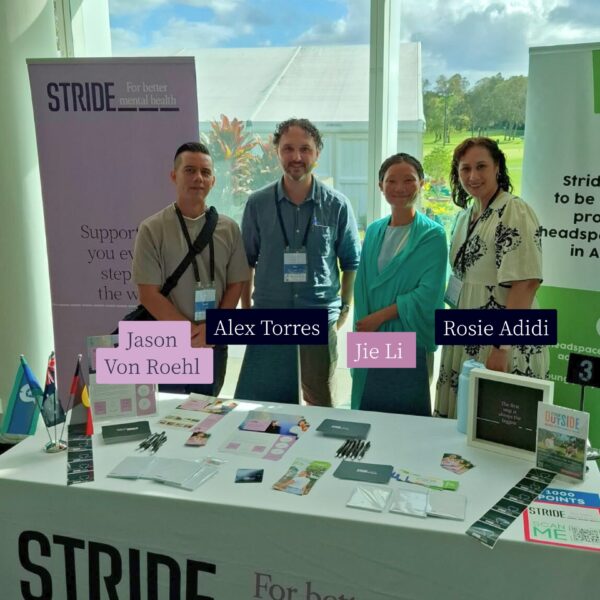
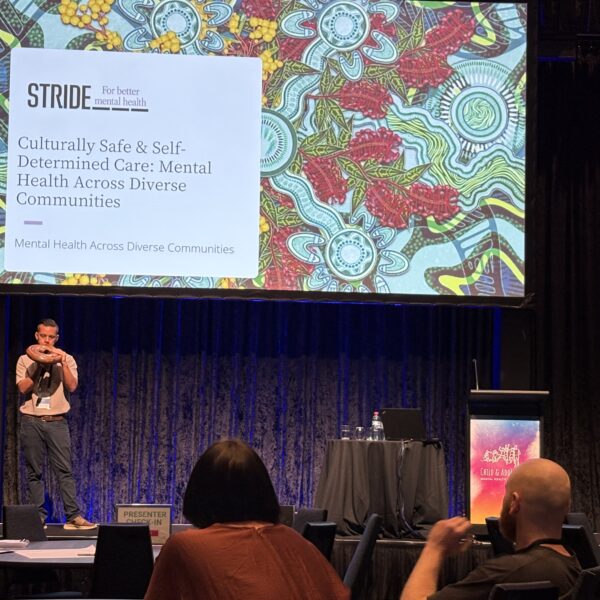
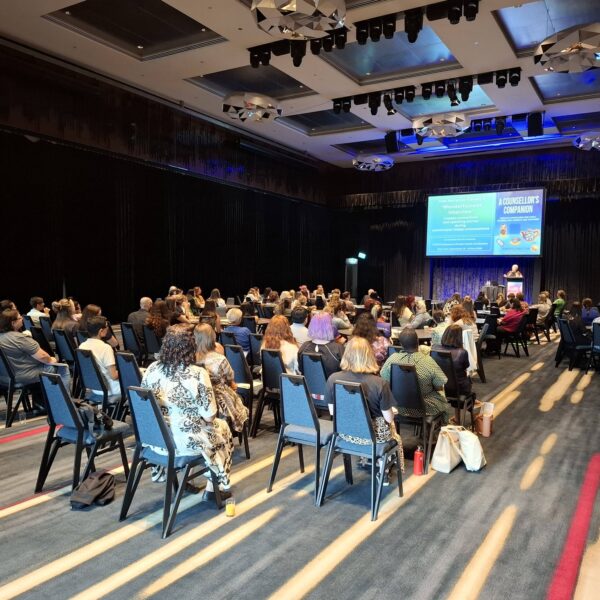
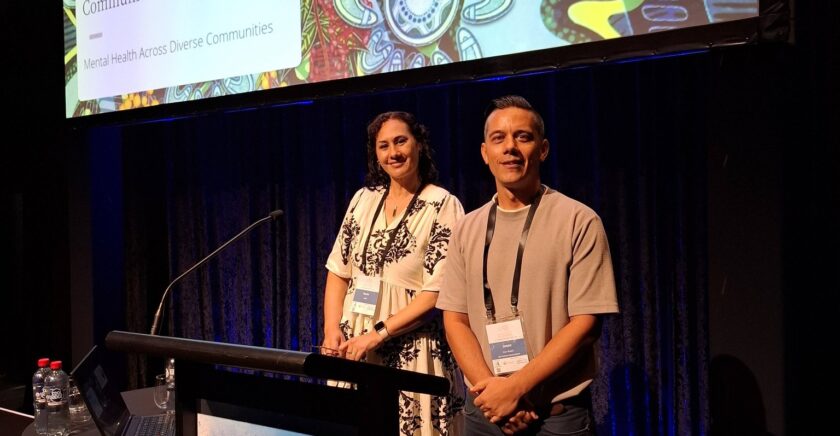
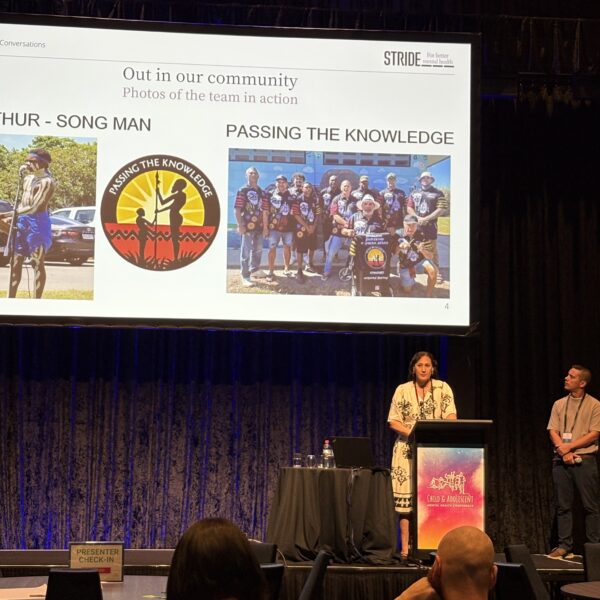
Stride Cairns and Townsville took to the stage at the 2026 Child and Adolescent Mental Health Conference to share the impact of their work with First Nations young people in North Queensland. Their message was simple: connection to culture is crucial to mental wellbeing.

Culturally Safe and Self-determined Care: Mental Health Across Diverse Communities was presented on Monday 16 March at the 2026 Child & Adolescent Mental Health Conference on the Gold Coast, sharing key findings from culturally grounded practices across Stride Mental Health community groups in Cairns and Townsville, within Far North Queensland. The region is home to more than 60 Traditional Owner groups and one of the highest Aboriginal and Torres Strait Islander populations in Australia (approximately 14% [1]).

Supporting the wellbeing of Aboriginal and Torres Strait Islander young people through early intervention is central to Stride’s work in Far North Queensland, with culturally safe, community-led programs placing identity, connection and belonging at the heart of everything they do.

The team has found their impact is improved when grounded in a holistic understanding of cultural safety and emotional wellbeing. In the context of their local region, cultural safety is shaped by connection to land, culture, family, community and spirituality.

Reflecting on this, Doug Wong, Vibrant Futures Aboriginal and Torres Strait Islander Family Support Officer, highlighted for us that:
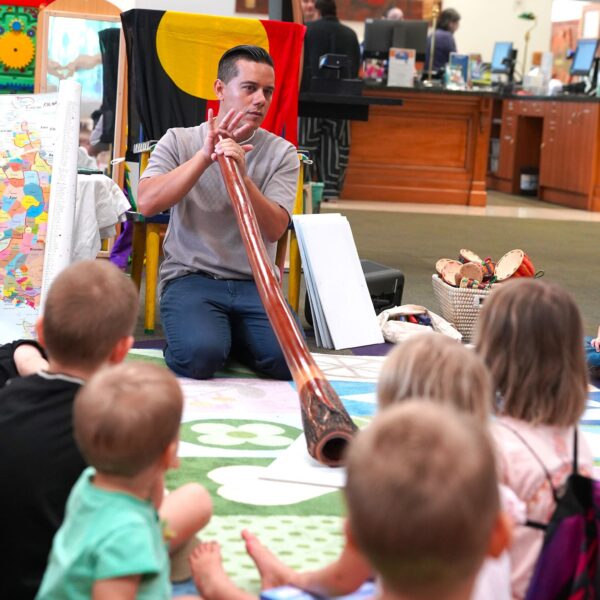
Culturally safe care builds trust and reduces shame, helping young people open up. Leading to better engagement, more meaningful support and better outcomes.
– Doug Wong, Aboriginal and Torres Strait Islander Family Support Worker

To showcase the impact of their work in North Queensland, the team shared three key learnings from their presentation below:

Cultural identity is central to mental health

Strengthening pride and connection to culture improves resilience, self-esteem, and overall wellbeing among Aboriginal and Torres Strait Islander children. Mental health interventions are most effective when they validate and embed cultural identity. Programs that foster belonging reduce isolation, support emotional regulation, and provide a foundation for healthy decision-making.

Community-led approaches strengthen engagement and outcomes

Programs guided by Aboriginal and Torres Strait Islander perspectives, co-designed with communities, build trust, relevance, and sustained participation. When young people and their communities are empowered to shape services, interventions respect self-determination, reduce systemic barriers, and improve uptake of mental health and support services.

Safe Spaces Foster Cultural and Emotional Wellbeing

Our experience shows that culturally safe environments, whether in schools or community groups, create supportive spaces where Aboriginal and Torres Strait Islander children can strengthen identity, build connections, and engage positively with mental health supports. By prioritising respect and cultural safety, young people feel valued and understood, fostering wellbeing, resilience, and the confidence to express themselves without fear of stigma.

About our presenters

Jason Von Roehl is the founder of Our Cultural Conversations, an initiative delivering Indigenous cultural education and engagement across Cairns and the surrounding region. With cultural ties to the Ngen’giwumirri language group of the Northern Territory, Jason brings extensive experience working across diverse communities to strengthen cultural understanding, connection, and wellbeing.

Rosaline (Rosie) Adidi, our Vibrant Futures Service Leader in Townsville, is a mental health nurse with over 20 years’ experience. She has worked extencively across the Mental Health Service Group at Townsville University Hospital, as well as in private and community settings, and volunteers as a youth leader. Rosie is a proud mother of seven, and her husband, a Torres Strait Islander, also serves the community.

Doug Wong is an Aboriginal and Torres Strait Islander Family Support Worker at Stride Mental Health, bringing over 20 years of experience across Youth Justice, Child Protection, and policy within the Queensland Government. With strong cultural connections spanning Western Australia, the Northern Territory (Larrakia), and North Queensland.

Doug’s primary focus is empowering mob and fostering positive change within the family circle. He believes that while everyone’s life journey is unique, strong, culturally grounded practices within service frameworks can lead to meaningful and lasting outcomes.

[1] 2025 Regoinal Development Australia: Far North Queensland Local Government Areas