






-

Dubbo Medicare Mental Health Centre Open Day  

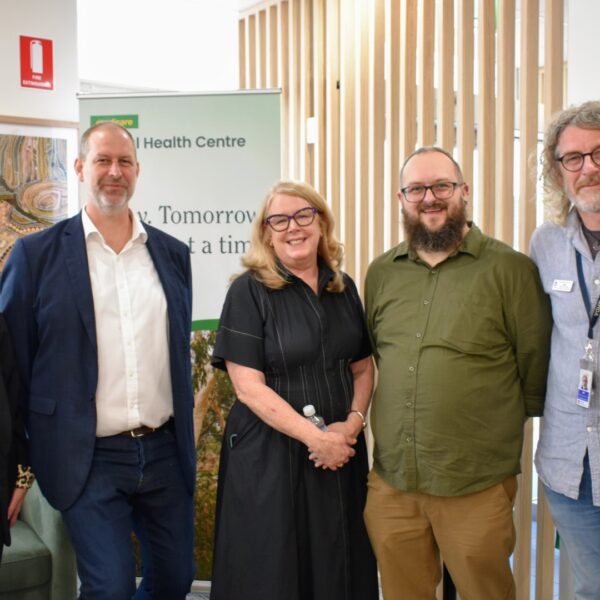
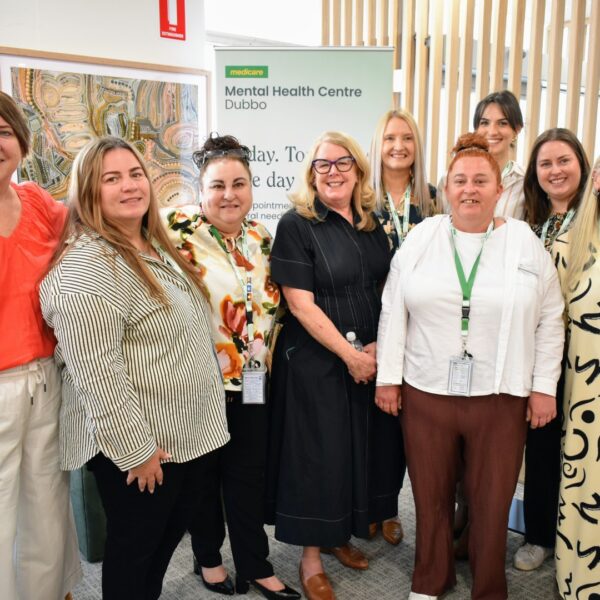
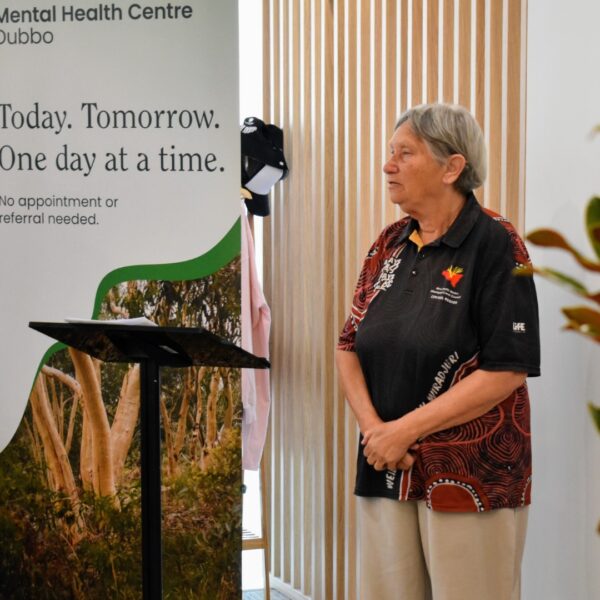
On Tuesday, 30th September, Dubbo Medicare Mental Health Centre commenced its official opening with a Welcome to Country by Aunty Margaret Walker, followed by a ribbon-cutting ceremony led by Minister Emma McBride. We then had the privilege of hearing our Peer Wellbeing Navigator Joanne Milson-Naden lived experience story. Guests included Mayor Josh Black and Member for Dubbo, Dugald Saunders. 

The event also featured a Centre tour and morning tea. 

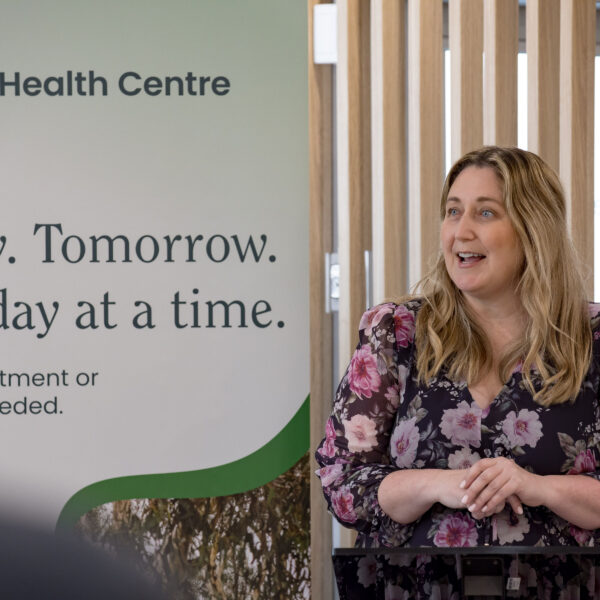
One of the standout moments from both events came from Jo Milson-Naden. As a proud Wiradjuri woman with lived experience, Jo shared a powerful reflection on what it means to have services like these available in the community, a moment that even brought the Minister to tears. 

The celebrations gained strong local media attention, helping to highlight the impact and importance of these new Centres across the region. 

Bathurst Medicare Mental Health Centre Community Day 

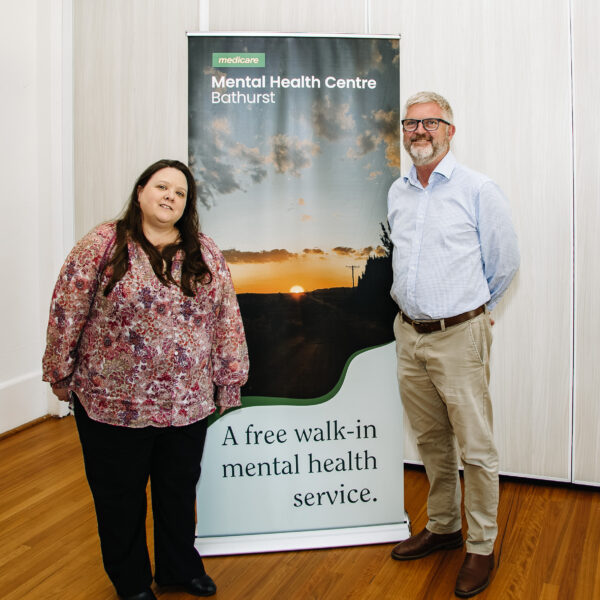
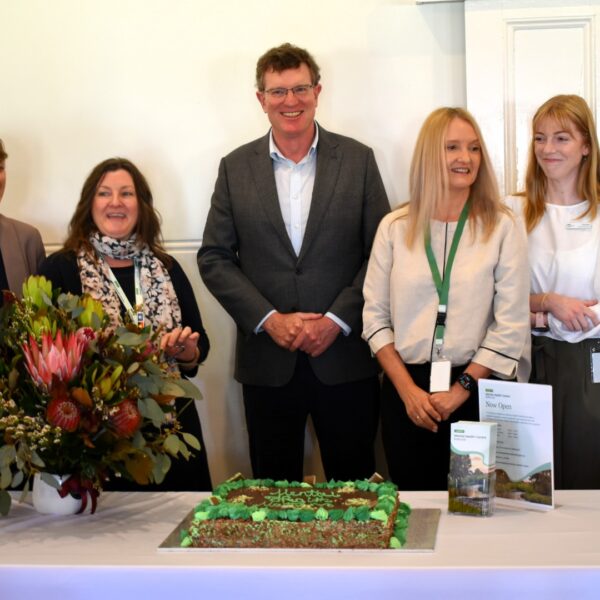
On Wednesday, 1st October, Bathurst celebrated the opening of their Centre and the start of Mental Health Month with their community. The event began with a Centre tour before guests gathered across the road at The Greens on William for a Welcome to Country by Aunty Shirley Scott, followed by guest speakers, morning tea and networking.  

Both guest speakers, Andrew Gee MP and Paul Toole MP took the time to celebrate the Bathurst event, showing their support for accessible mental health in the region. In addition, we also had Deputy Mayor Ben Fry and Councilor Jaclyn Underwood share the support of the Centre.  

“Today, we celebrated the official opening of the Bathurst Medicare Mental Health Centre, a space that will make a real difference to the lives of so many in our community” – Andrew Gee MP  

“Unfortunately, mental health is an issue which is often swept under the carpet, but this is being addressed with this great initiative right here in Bathurst” – Paul Toole MP 

The Western NSW Primary Health Network (WNSWPHN) has partnered with Stride, Wellways and Clarity Health Care to deliver these essential services to the community. 

Support resources: 

If you or someone else is in immediate danger or needs urgent help outside opening hours, please contact 000. 

If you or someone you know has been affected by this story or needs support, please reach out: 

  • Medicare Mental Health national phone service: 1800 595 212 
  • Lifeline: 13 11 14 | lifeline.org.au 
  • Suicide Call Back Service: 1300 659 467 
  • Beyond Blue: 1300 22 4636 | beyondblue.org.au 
  • MensLine: 1300 789 978 | mensline.org.au 

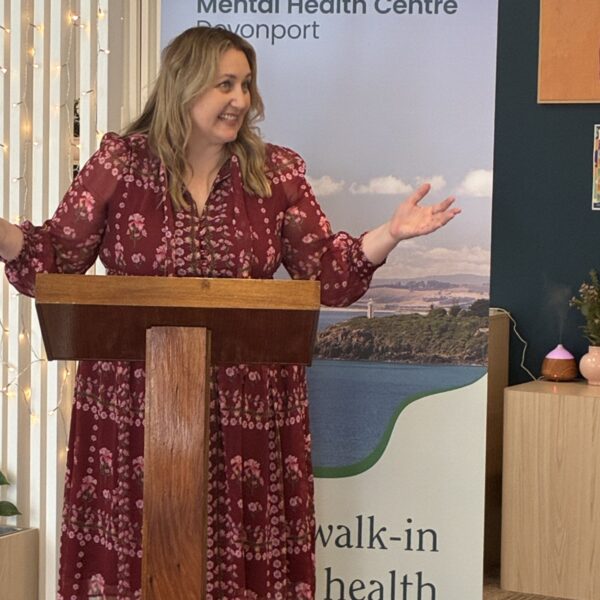
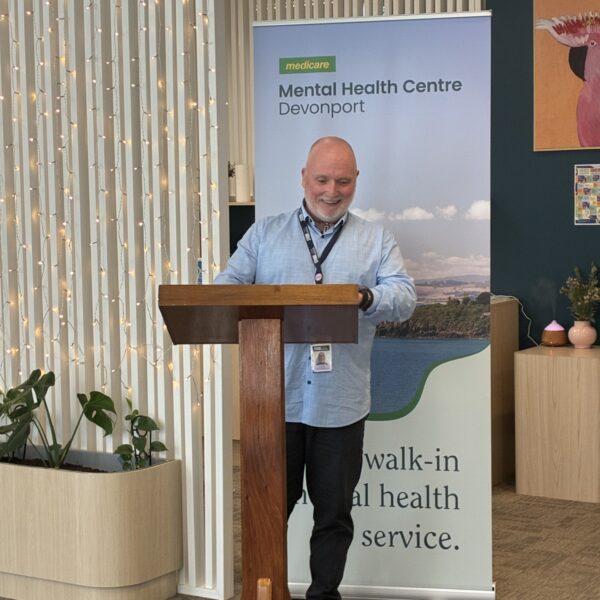
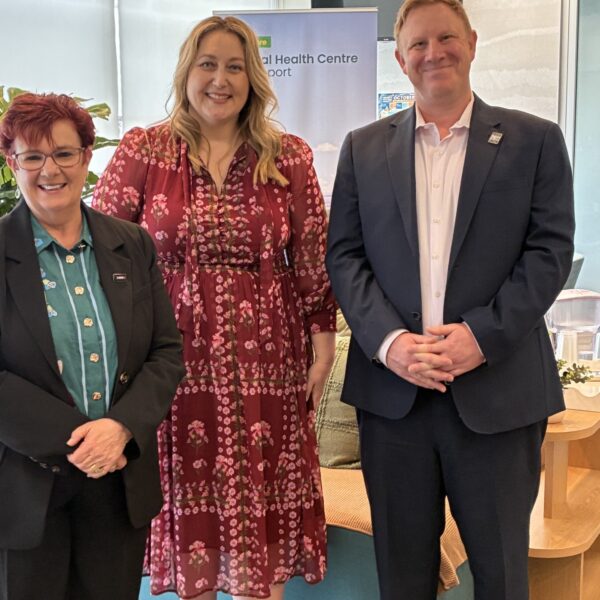
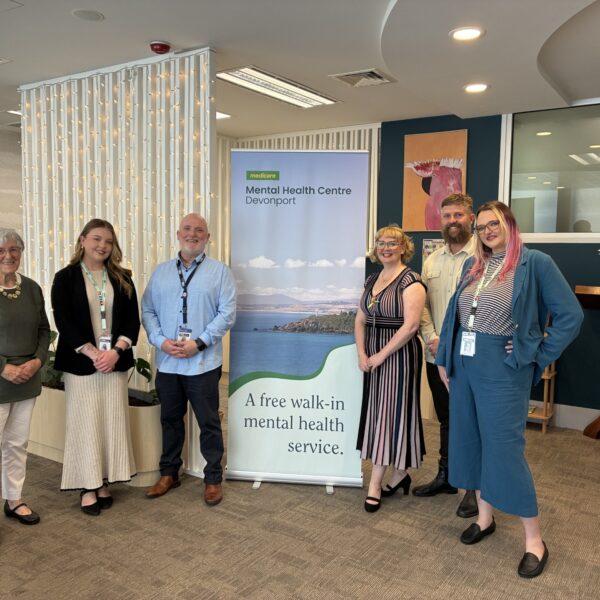
The official opening took place on Thursday, 16th October and began with a heartfelt Welcome to Country delivered by the Centre’s Community Engagement Coordinator, Shannan. Guests then heard from several speakers, including government representatives, Stride leaders and Peer Worker Tony Read, who courageously shared his lived experience story. Before concluding with Minister McBride leading the ribbon-cutting ceremony, officially opening the doors to the community. 

Tony’s journey to becoming a Peer Worker stems from his own experience of struggling to find the right support after two lengthy hospitalisations for his mental health. 

“Either I didn’t know what [support] was there or it simply wasn’t there,” the 57-year-old told The Advocate. 

“There was no one who understood me or how to navigate the seriously lacking, fragmented and complex mental health system well enough to provide meaningful assistance and to help guide me on my recovery journey. 

Prior to the Centre’s opening, Tony was involved in the co-design process, an initiative that brings together people with lived experience and mental health professionals to collaboratively shape services that are relevant and effective. This inclusive approach ensures that care is grounded in real-world needs, empowering the community and creating more meaningful outcomes. 

Now, in his role at the Centre, Tony supports others as they navigate their own challenges, helping them connect with the right services and begin their recovery journey with understanding and hope. 

Minister McBride, who previously worked in the mental health sector, spoke about the importance of providing early, accessible support close to home. 

“They’ll be greeted by a warm and welcoming place and by somebody who has their own lived experience. And often that is the best start to accessing support and care, someone who’s walked in your shoes and understands. If they do need support from a clinician, that can also be arranged for them as well. We’re bringing together lived experience with clinical experience for the first time in your community.”
– Minister Emma McBride shared on ABC Breakfast Radio, North Tasmania. 

The Devonport Medicare Mental Health Centre is open Monday to Friday, 10am–6pm, offering free mental health support for anyone aged 18 and over, with no referral or appointment needed. 

The Centre is operated by Stride and supported by funding from Primary Health Tasmania (Tasmania PHN) through the Australian Government’s Primary Health Networks Program, ensuring essential mental health services are available to the Tasmanian community. 

Read Minister McBride’s statement on mental health delivered in Parliament, which highlights the Devonport and Launceston Medicare Mental Health Centre here. 

Support resources: 

If you or someone else is in immediate danger or needs urgent help outside opening hours, please contact 000. 

If you or someone you know has been affected by this story or needs support, please reach out: 

“[The best thing about this service was] how accommodating they are to help people like myself, who need more ‘out of the box’ styles of counselling and understanding”
– Quote from 2025 Stride Hubs YES survey

This feedback collected in this years survey helps us understand what we’re doing well and identify areas where we can improve. Feedback from last year (2024) resulted in a variety of initiatives being undertaken to improve the experiences of the people we support at Stride.

Here’s what our consumers told us in 2025:

  • 78% of consumers rated their overall experience with Stride as Excellent or Very Good over the last 3 months.
  • 87% reported an excellent or very good experience in terms of feeling welcomed, recognised, valued, and treated with dignity.
  • 86% reported an excellent or very good experience of having their personal needs met with sensitivity to their culture, gender, faith, and individual values and beliefs.

Consumers reported that Stride continues to excel in the following domains of experience…

Showing Respect

  • How the service provides the individual with a welcoming environment where they are recognised, valued and treated with dignity.
  • 87% rated their experience positively

Valuing individuality

  • How the service meets an individual’s needs (e.g., sensitivity to culture, gender, and faith, and the importance of personal values and beliefs)
  • 86% rated their experience positively

Supporting active participation

  •  How the service provides opportunities for engagement, choice, and involvement in the process of service delivery.
  • 84% rated their experience positively

The survey also highlights areas of focus for Stride over the next year:

  • Expanding access to peer support
  • Translation of psychosocial support into improved functional and physical health outcomes for consumers.

This year marked the second year of Stride Outside: Take 30 Challenge, our annual campaign inspiring individuals and communities to take 30 minutes each day to connect with nature and focus on their mental wellbeing.

The free, inclusive initiative encourages participants of all ages and fitness levels to spend time outdoors for 30 days, whether that means walking, gardening, cycling, or simply soaking up some sunshine. By taking small, consistent steps, participants not only improved their personal wellbeing but also helped raise vital funds to support Stride’s community mental health services and programs.

We were delighted to have Base Design and Construct return as a sponsor and participant for this year’s challenge. Thanks to their support, and the enthusiasm of everyone who took part, more than 300 people registered, helping us raise an incredible $36,000 through donations and sponsorships.

Importantly, participants reported measurable improvements in their wellbeing from the start to the end of the challenge, a powerful reminder of the benefits of connecting with nature and community.

Stride Outside 2025 was a huge success, and we look forward to seeing it grow even further with the support of our community in the years to come.

What does this name change mean for the Parramatta centre?

As part of a recent government initiative, Parramatta Head to Health  has changed its name to Medicare Mental Health Centre – a change happening to all Head to Health centres across Australia.

Along with a new name, the Australian Government aims to strengthen Medicare and improve access to free mental health services and mental health care through this rebranding of Medicare Mental Health Centres.

The former Head to Health centre remains a safe, free and inclusive environment for adults over eighteen seeking emotional wellbeing and mental health support. Find out more about the Australian Government initiative and the national transition from Head to Health to Medicare Mental Health Centres here.

In this article

What services are provided?

The Parramatta Medicare Mental Health Centre is a great first step for anyone feeling overwhelmed and unsure where to find help.

You don’t need to book an appointment to access our range of support. Services we provide include:

  • Immediate, short and medium-term mental health and wellbeing support
  • Information and advice for family and friends of people experiencing mental illness
  • Support and advice in navigating and connecting you with ongoing local mental health services
  • Access to translating and interpreting services
  • Engagement with social and community groups.

You don’t need a referral, an appointment or even a Medicare card – just walk in.

What can I expect when visiting a Medicare Mental Health Centre?

When you walk through the doors to one of our Medicare Mental Health Centres in Parramatta (NSW) or Launceston (TAS), you‘ll be greeted by a friendly member of our team and be given the time and space to have a confidential chat.

There is no pressure to fill out paperwork, make an appointment or commit to any plans, we take it at the pace that is right for you.

Our peer support workers (people with lived experience of mental health), family and carer support workers, care coordinators and allied health professionals create a safe and welcoming place where you can simply feel heard.

How to access Parramatta Medicare Mental Health Centre

Supported by funding from WentWest – Western Sydney’s Primary Health Network (WSPHN) we aim to complement – rather than replace or duplicate – services already provided in the community and will connect people with other local services for ongoing care.

There is no cost for attending Parramatta Medicare Mental Health Centre, nor do you need to have a Medicare card, Health Care Card or GP referral to access its services.

Simply drop in or call us to find out how we can help you.

Operating Hours

Monday to Friday 9am to 9pm
Saturday, Sunday and public holidays 3pm to 7pm

Address: Ground Floor, Suite 1, 150 George Street Parramatta NSW 2150

Contact:
P: 1800 595 212 Free Call

Prioritise your mental health with Parramatta Medicare Mental Health Centre

If you or someone you care for needs immediate emergency assistance, call 000.  Or for 24-hour mental health support call Lifeline 13 11 14 or the NSW Mental Health Line on 1800 011 511.

In this article

What does this name change mean for the Launceston centre?

As part of a recent government initiative, Launceston Head to Health has changed its name to Launceston Medicare Mental Health Centre – a change happening to all Head to Health centres across Australia.

Along with a new name, the Australian Government aims to strengthen Medicare and improve access to free mental health services and mental health care through this rebranding of Medicare Mental Health Centres.

The name is changing, however everything else will remain the same with the services available including:

  • Mental health support, information and advice
  • Immediate, short and medium-term care navigation to other suitable mental health services in the local community
  • Information and advice for family and friends of people experiencing mental illness.

The Launceston Medicare Mental Health Centre remains staffed by a team of highly qualified mental health professionals and people with lived experience of mental health. They will listen and work with you to provide the care you need.

The Medicare Mental Health Centre is completely free. You do not need a Medicare card, an appointment or a GP referral.

A safe and welcoming place for the people of Launceston

Since opening our doors in 2022, the Medicare Mental Health Centre has been widely embraced by the people of Launceston, making a noticeable positive impact on the community.

Feedback from the people of Launceston has been overwhelmingly positive, both from consumers and referred service providers. Participants view our programs as beneficial and frequently and openly express their gratitude for the centre, its people, and its services with multiple participants stating that they feel welcomed, safe, and supported after coming to the centre.

“Thank you. Please keep doing what you’re doing for the community – we need you!”

Launceston Community Member, March 2022

“Thank you. Please keep doing what you’re doing for the community – we need you!”
– Launceston Community Member, March 2022

Addressing the needs of the community

Through a combination of clinical support and peer-led recovery, our purpose-built programs have alleviated wait times for treatment.

In addition to long wait times, we found that the people of Launceston were finding it difficult to connect with a program that addressed their specific needs. We have addressed wait times by being a walk-in centre and offering immediate access to support, as well as the partnerships and referral pathways we have developed with other local services and agencies, which allow us to navigate our participants to the most suitable services for them.

At Launceston Medicare Mental Health Centre, you will be welcomed by our friendly staff and someone will be there to speak with you. If you need additional support,  we will connect you to existing community-run services and assist in navigating their systems.  We are immensely proud of how we have been able to leverage the current support services in the region and guide people to take full advantage of the programs on offer.

“[the staff] were so welcoming and kind, they listened and helped me through my problems. They also helped me with referrals…”

Launceston Community Member, May 2022

The people behind the scenes

The Launceston Medicare Mental Health Centre nurtures an inclusive and supportive culture, so it is no surprise that the ‘secret sauce’ is our staff.  Having non-clinical staff with a lived mental health experience working alongside clinical staff has been crucial in providing holistic, person-centred care. This approach reduces stigma and provides an authentic, empathetic expertise to those seeking mental health respite.

Continual improvement of the centre is guided by the voice and knowledge of the local community.

Get in touch

To access Launceston Medicare Mental Health Centre

Visit the centre at 62-64 Canning Street between 9am and 7.30pm Monday to Friday or 10am to 2pm on weekends and public holidays.

Call: 1800 424 578

Email: launceston.mmhc@stride.com.au.

Our services are free of charge, and appointments are not necessary. Find out more about the Australian Government initiative and the national transition from Head to Health to Medicare Mental Health Centres here.

There’s no doubt that it can be difficult to peel ourselves away from our screens – whether for work, study, or leisure. But did you know multiple studies show that spending as little as 30 minutes daily doing outdoor activities can significantly improve your mental health?

According to the Australian and New Zealand Mental Health Association, 56.8% of young people spend over 10 hours per week on digital devices, while enjoying only an hour of outdoor activities.

Our increased screen times have led to a shift away from the great outdoors, with an increasing amount of people experiencing feelings of anxiety, stress and burnout than ever before. That is precisely why we launched our annual fundraising initiative, Stride Outside. 

Stride Outside is a free, inclusive fundraising challenge that invites participants of all ages and abilities to take 30 minutes outside every day throughout September, to enjoy their favourite outdoor activities. By doing so, participants can experience the full benefits of nature and improve their mental health resilience.

All funds raised generated by the initiative go directly to Stride Mental Health where we can continue to provide personalised support services and programs for people experiencing mental health challenges.

In this article

Stride team

Active and outdoor lifestyle benefits

Spending time outdoors offers a wealth of mental and physical benefits. Whether it’s a walk in the park, reading in the sun, stargazing or a picnic in the park, outdoor activities offer a range of advantages that go beyond physical benefits. Here are some of the many ways outdoor activities can boost wellbeing.

  1. Improving Mood and Reducing Stress
    There’s nothing like the feeling of sun on your skin. Spending time outside can reduce the production of cortisol, the body’s stress hormone. Natural settings have a calming effect, helping to reduce anxiety and boost overall mood.
  2. Increasing Creativity and Problem-Solving Skills
    Outdoor environments stimulate the mind in ways that indoor spaces can’t. Studies have found that exposure to nature can enhance cognitive function, making people more creative and better at problem-solving. Whether you’re studying on the grass, or working on a park bench, nature is a fantastic tool for unlocking fresh ideas.
  3. Boosts Physical Health
    The physical benefits of being outdoors are undeniable. Outdoor activities such as a bike ride,  gentle walks, and stretching increase energy levels, improve cardiovascular health, and enhance overall fitness. This, in turn, contributes to better mental health, creating a positive feedback loop between the mind and body.
  4. Connection with Nature
    Feeling a connection to the natural world has many psychological and emotional benefits. It fosters a sense of belonging and purpose, reducing feelings of isolation. Whether it’s watching the ocean, witnessing a sunrise, listening to birdsong, or simply being surrounded by greenery, these experiences can evoke a deep sense of calm and happiness.

Head to our website to find out more information on the many benefits of spending time outdoors.

Activities for all – From the office worker to the busy parent

You don’t have to embark on a day-long hike to enjoy the benefits of outdoor activity. Here are some easy ways to incorporate more time outdoors, no matter how busy your schedule:

  • Office Worker: Try a walking meeting, have your lunch outside, or squeeze in some outdoor stretches in the park to break up your busy workday.
  • Parents: Go for a morning walk with your pram or little one, organise outdoor play activities, or opt for walking or biking during the school run.
  • Students: Head to a park to study, read on the grass, or join a sports club to enjoy physical activity and social interaction at the same time.
Woman and child sitting on grass together

Tips for making the most of your Stride Outside challenge

To make the most of your Stride Outside challenge, why not take up a new activity or rediscover one you’ve since neglected?

  • Find a buddy: Consider exercising with a friend or loved one, which can make the experience more enjoyable and keep you motivated. A buddy adds more accountability to your routine.
  • Set realistic goals: Set achievable goals and track your progress. Start with small targets and build on them as you gain confidence and endurance.
  • Embrace the weather: Don’t let the weather stop you. Dress appropriately for the conditions and adjust your activities to fit the weather.
  • Explore new places: Keep things exciting by trying new activities and discovering new locations. Visit different parks, and explore different trails or outdoor spots to make your challenge more engaging and sustainable.

Join the Stride Outside challenge

The benefits of spending time in nature and doing outdoor activities are immense, offering significant improvements to both mental and physical health. From reducing stress and enhancing mood to boosting creativity and physical fitness.

We encourage you to join the Stride Outside challenge every September and experience these benefits firsthand. Your participation is a step towards better health and a vital contribution to raising awareness and critical funds for mental health services.

You can get involved by making a donation today. Your generosity – however big or small – makes a lasting impact!